Field Notes
What to sort out before you buy a backyard sauna, from permits to 240V wiring
Plan the foundation and check setbacks and permits before you spend five figures on a backyard sauna. An electric heater also needs its own dedicated circuit.
By Adam Bognar, Editor

Before you buy a backyard sauna, settle where it will sit and how it will get power, because those answers decide which permits you need. High-ticket sauna content obsesses over wood species and heater brands and goes silent on those boring questions, though they're what derail projects. So we wrote the pre-purchase checklist we wish every retailer published. Skipping it is how a delivered sauna ends up sitting on pallets for two months.
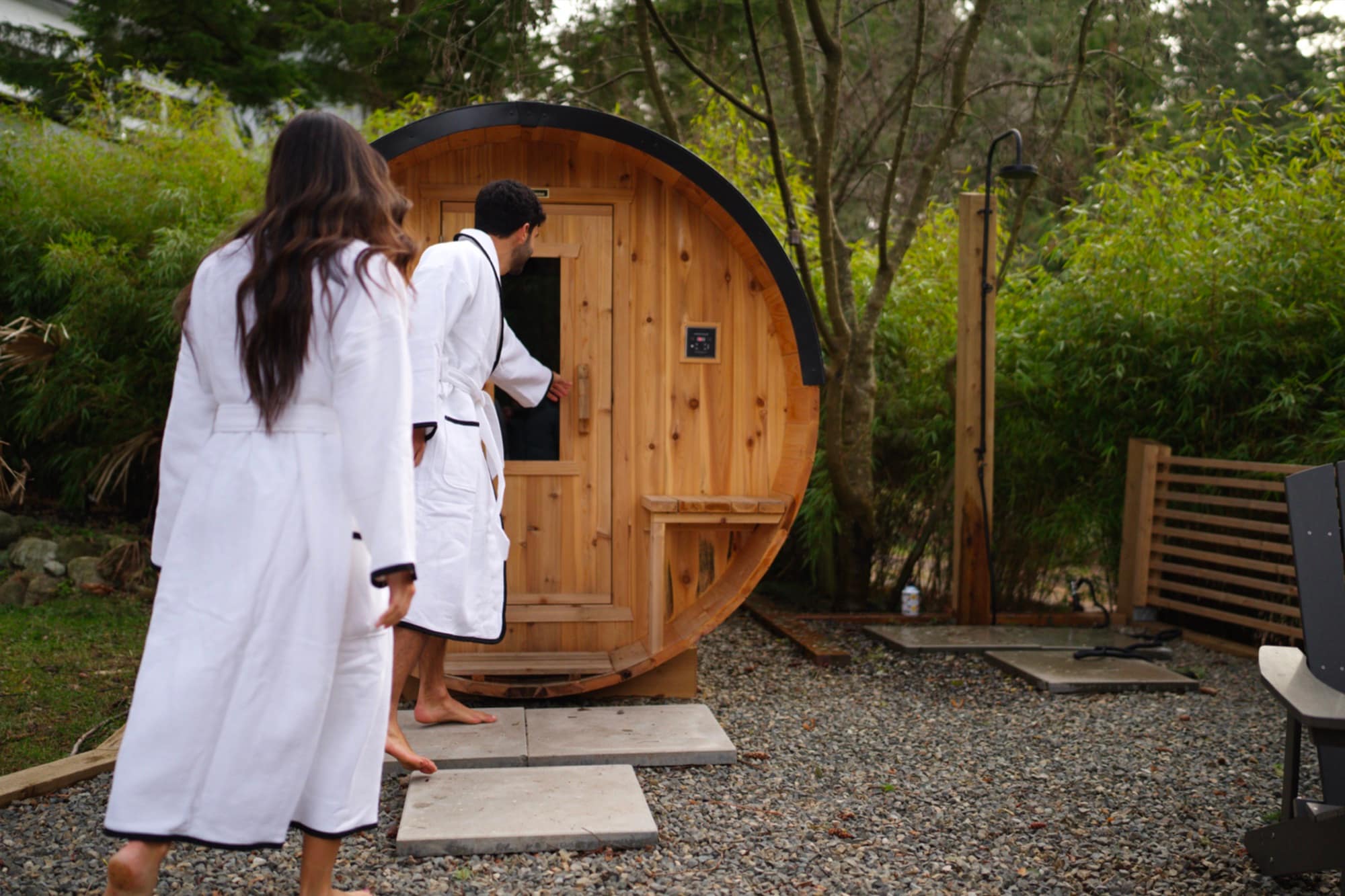
A sauna foundation has to be level and drain well
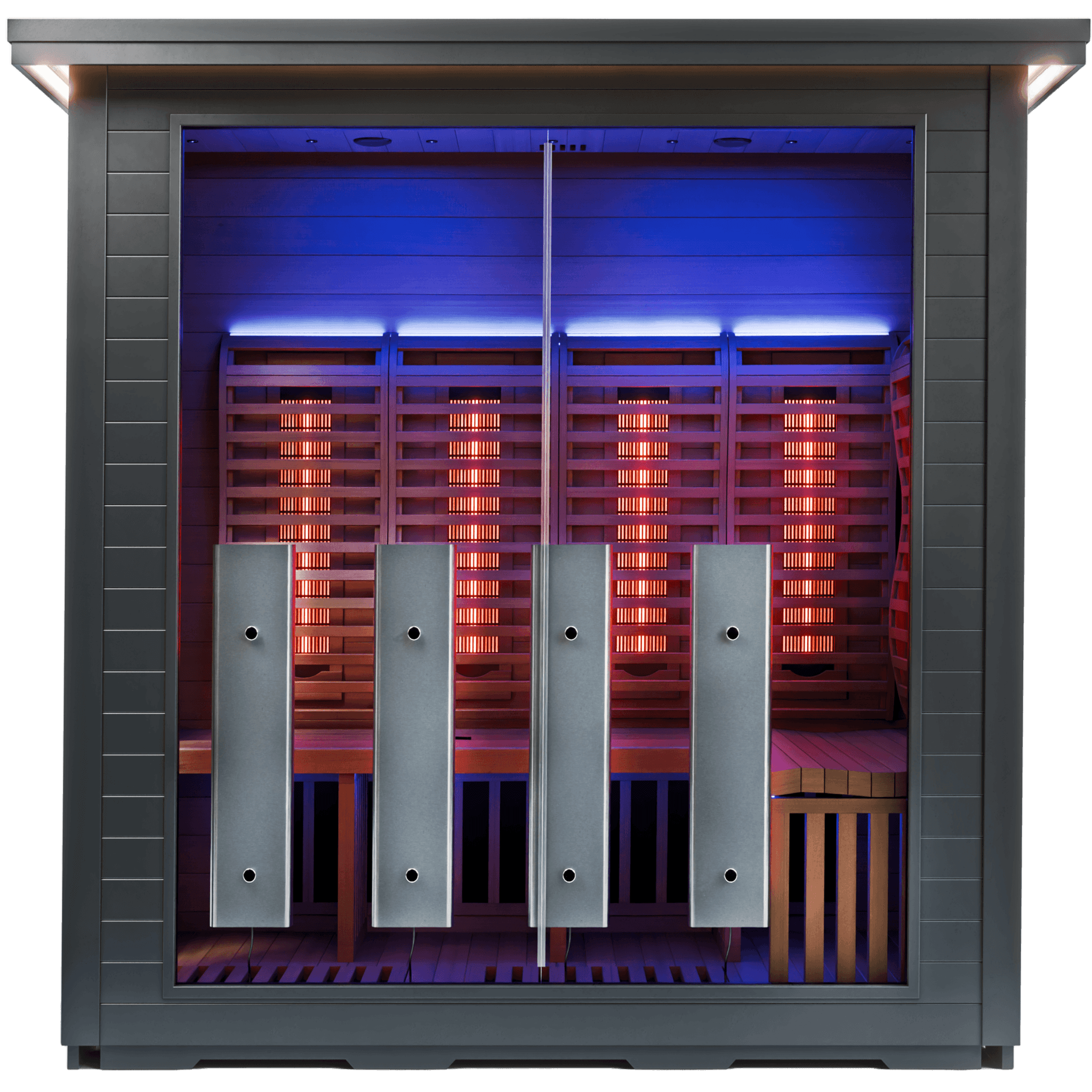
For barrels and smaller cabins, a compacted gravel pad or a set of concrete pavers is standard and cheap. Larger cabins and anything with a heavy tower heater may want a reinforced concrete slab. Outdoor infrared cabins need the same care. Sun Home lists its five-person Luminar at 1,070 lbs and asks for a level pad that carries at least 1,270.
Whichever base you choose has to be level and well drained. Standing water rots even thermally modified wood over time, and an out-of-level barrel won't seal against its bands.
Where to buy
Sun Home Saunas Infrared Saunas
Sun Home Luminar Outdoor 5-Person Full Spectrum Infrared Sauna


Sun Home Luminar Outdoor 5-Person Full Spectrum Infrared Sauna. Sun Home Saunas photography.
See the specifications and pricePermits and setbacks vary, so call the building department
Rules vary enormously by jurisdiction, though a common pattern holds. A freestanding sauna under a size threshold (often 100–200 sq ft) is frequently treated like a shed and may not need a building permit, while the electrical work almost always does.
Your lot may also carry setback requirements (minimum distance from property lines), and wood-fired stoves bring clearance and chimney rules. Call your local building department before you order. A ten-minute conversation there prevents expensive mistakes.
Most heaters above 4.5 kW need a dedicated 240V circuit
The electrical job is easy to underestimate. Most electric sauna heaters above ~4.5 kW require a dedicated 240V circuit. It needs its own breaker and correctly sized wire, often a GFCI as well, and a licensed electrician has to install it to the National Electrical Code.
Depending on your panel's spare capacity and the distance of the run, that job commonly costs $600–$2,500. A 9 kW heater can need a 50A circuit, so confirm the exact amperage in the heater's manual before the electrician quotes.
Where to buy


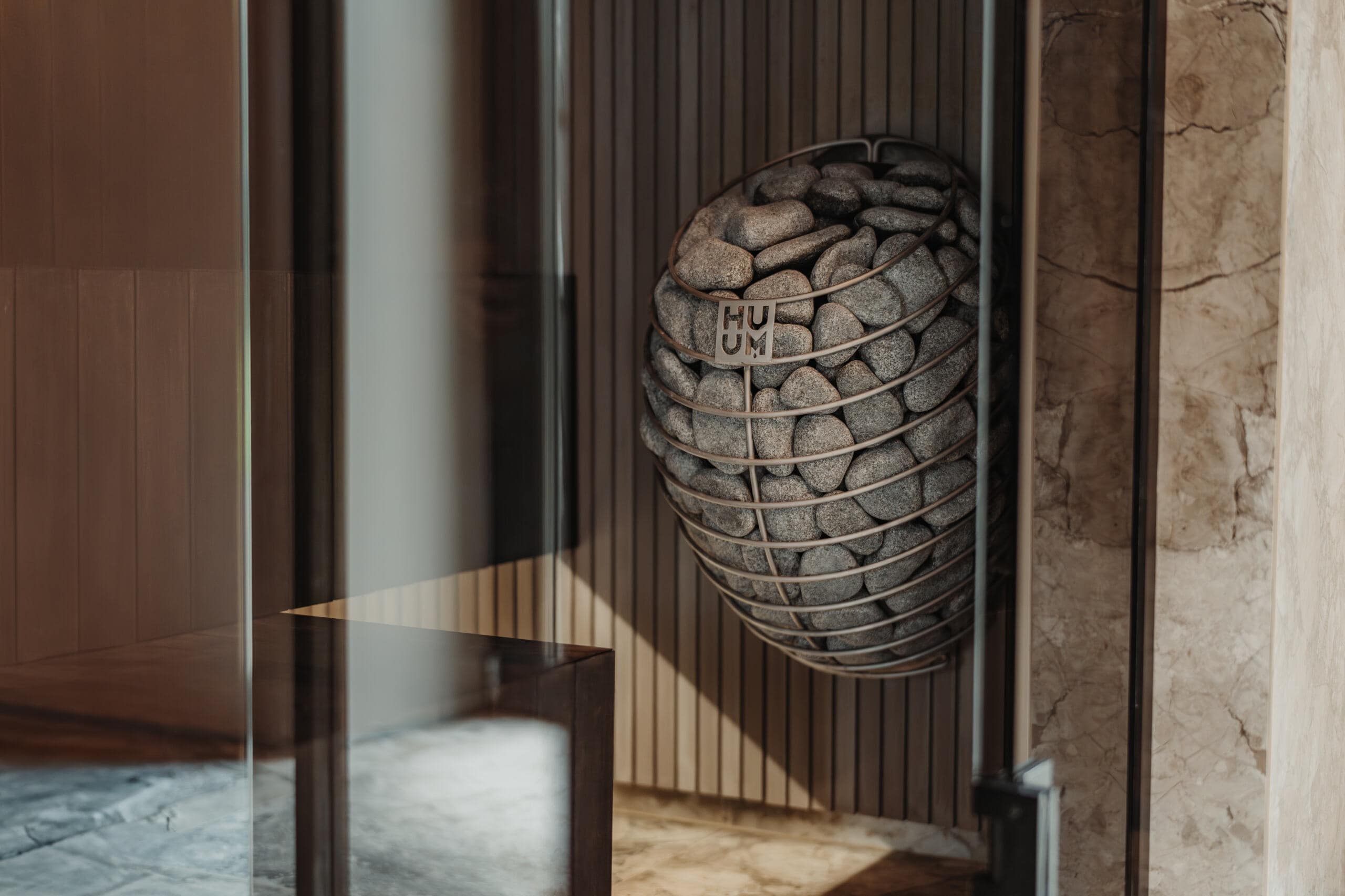
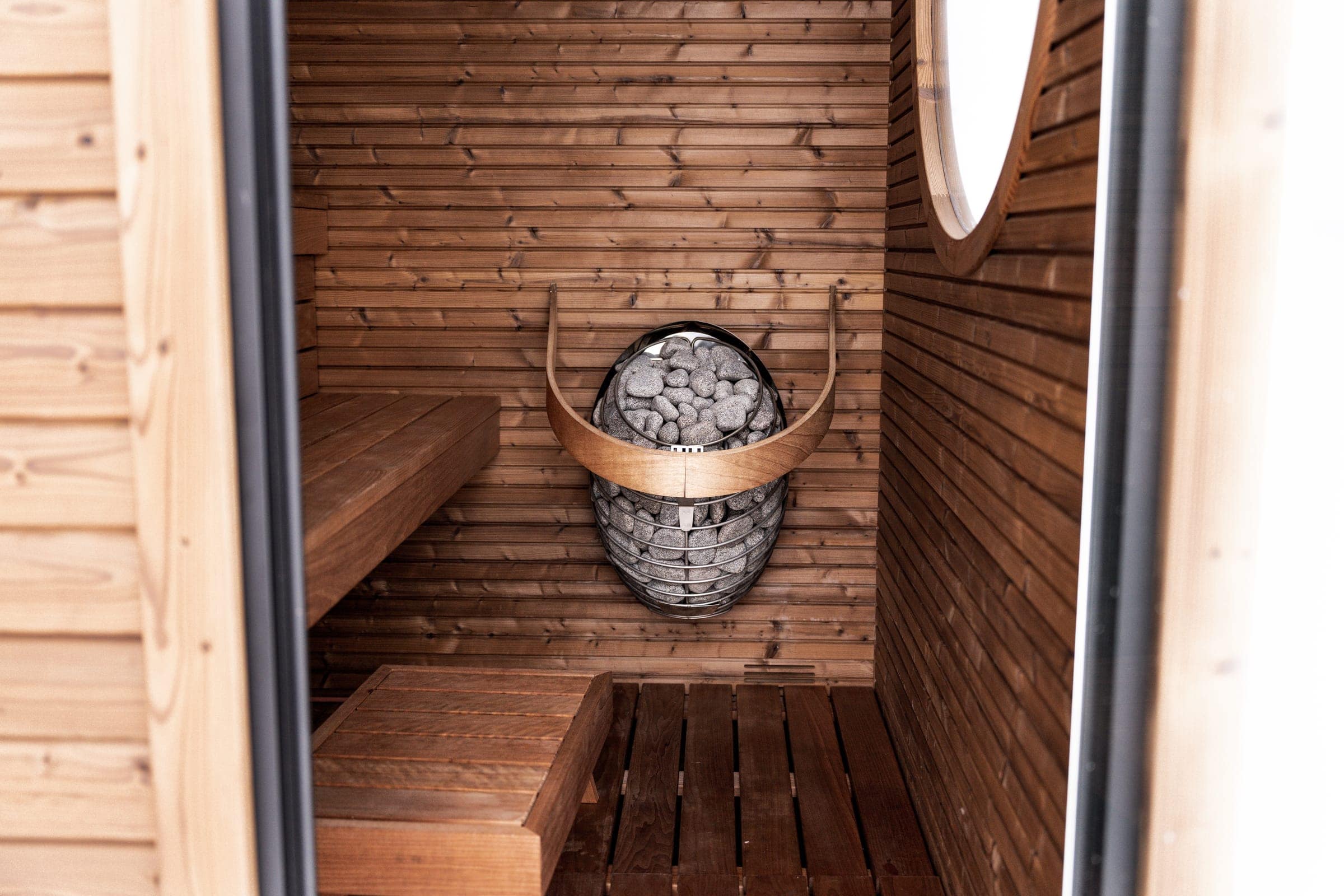

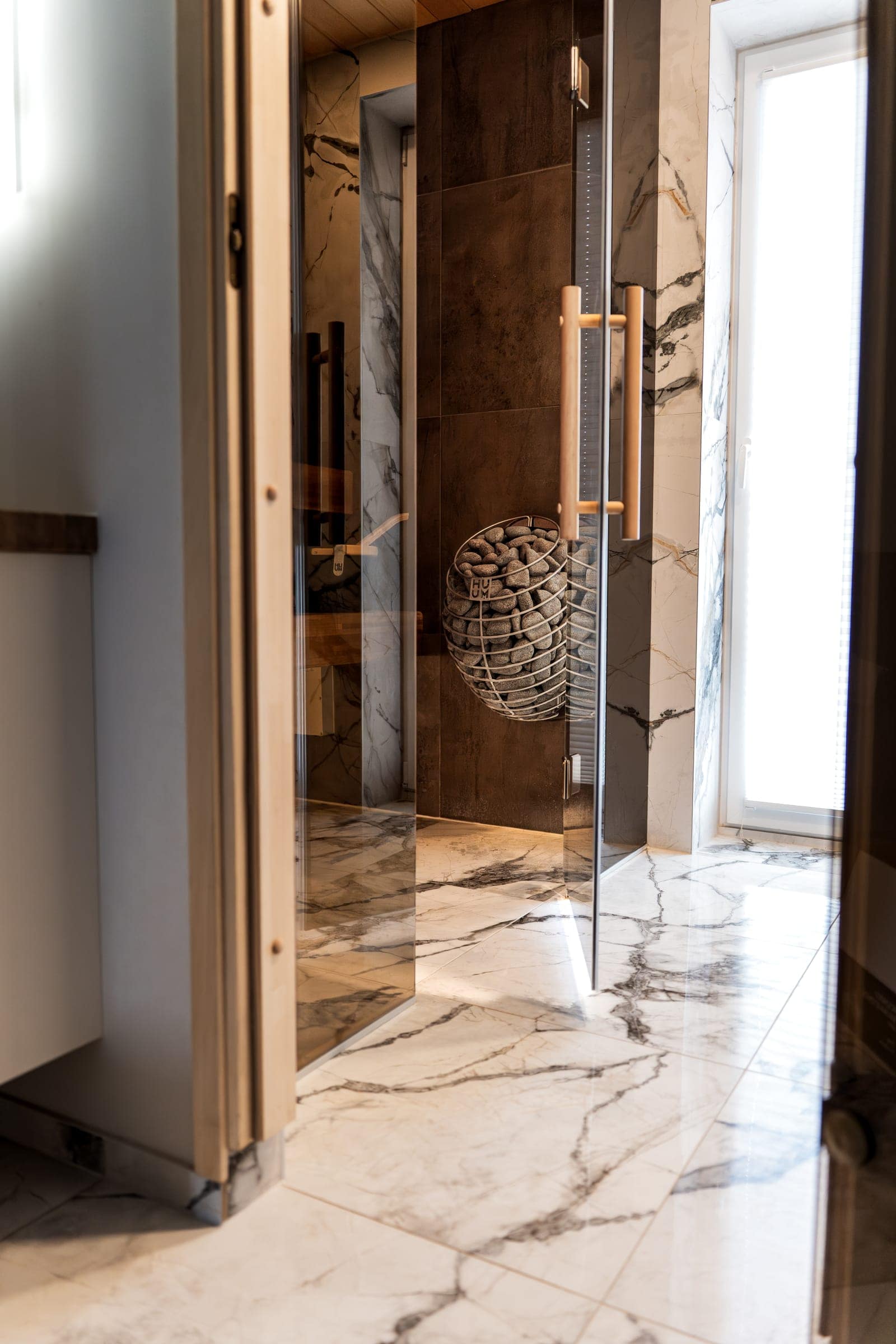
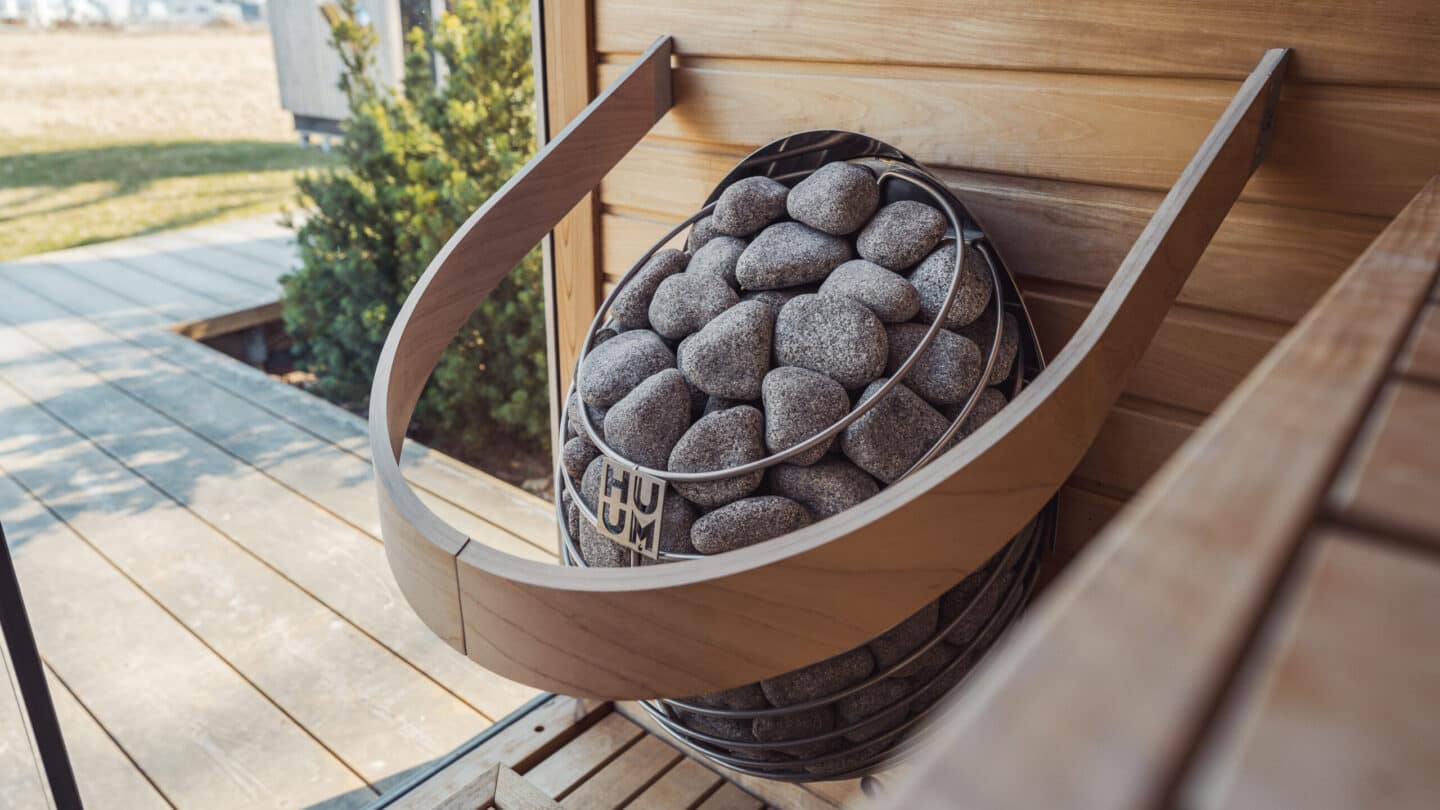

HUUM DROP 6 6.0kW Sauna Heater Package. HUUM photography.
See the specifications and priceA wood-fired sauna needs no electrical circuit
A wood-fired sauna sidesteps the circuit question and leaves your electrical panel alone. You won't need an electrician or a wiring permit, and the stove draws nothing from your service. In exchange you tend a fire for 45–60 minutes and install a chimney that meets code with proper clearances. For remote or lakeside sites it's often the only practical option.
Where to buy


Check delivery and assembly, and ask about HSA/FSA
Most high-end saunas ship freight as self-assembly kits. Confirm whether you'll get curbside or threshold delivery, and whether you'll need a second person and a few hours to put the kit together.
HSA/FSA reimbursement is an underused angle. Some sauna purchases qualify through a Letter of Medical Necessity from services like Truemed, and paying with pre-tax dollars can effectively discount the purchase. Ask the retailer whether it supports that.
Where to buy

Nootka Saunas Outdoor Saunas
Nootka 8ft Barrel Sauna
“On-site assembly where Nootka offers it makes this thick cedar barrel worth its higher price.”

Common questions
- Do I need a permit for a backyard sauna?
- Often not for the structure itself. A freestanding backyard sauna under your jurisdiction's size threshold may skip the building permit, but an electric heater's circuit almost always needs an electrical permit. Wood-fired stoves have their own chimney and clearance rules, so confirm with your local building department before ordering.
- What electrical circuit does an electric sauna heater need?
- Most electric sauna heaters above 4.5 kW need a dedicated 240V circuit with an appropriately sized breaker and wire, and a licensed electrician has to install it to code. Larger heaters (9 kW+) can require a 50A circuit. Check the heater's manual for the required amperage, and budget roughly $600–$2,500 for the work.
- Can I avoid electrical work entirely?
- Yes. A wood-fired sauna needs no electrical circuit at all. You'll need a chimney built to code with the right clearances, plus 45–60 minutes of fire-tending per session, but there's no electrician and no draw on your home's service. Small far-infrared cabins are the other option, since many run on a standard 120V outlet.
Sources
- 1.NFPA 70: National Electrical Code (NEC). National Fire Protection Association, 2023.
- 2.Electric Power Monthly: Average Price of Electricity to Ultimate Customers. U.S. Energy Information Administration, 2025.
- 3.Benefits and risks of sauna bathing. The American Journal of Medicine, 2001.
We review from makers’ documentation, owner reports and published research. How we choose products and write reviews.